Seasonal Scalp Care: Adjusting Oils for Summer and Winter
by Dimitris ZikosonMay 15, 2026
Just like facial skin, the scalp reacts to its environment. Temperature shifts, humidity levels, sun exposure, and indoor heating all influence how the scalp feels and behaves. A routine that works beautifully in winter may feel heavy in summer, while a lightweight summer approach may fall short during colder months.
Summer Scalp Care: Heat, Sweat, and Balance
In warmer months, the scalp is exposed to:
heat and sun
increased perspiration
more frequent washing
outdoor dust and activity
These factors can make the scalp feel oily, sensitive, or weighed down more easily. The goal in summer is balance and lightness, not heavy nourishment.
Best Oils for Summer Scalp Care
When temperatures rise, opt for lightweight oils that absorb easily and support comfort without residue.
Argan Oil Argan oil is ideal for summer because of its light texture. It helps support scalp softness while keeping roots feeling airy.
Rosehip Oil Fast-absorbing and delicate, rosehip oil works well for warm-weather routines, especially for finer hair or scalps that dislike heavier oils.
Broccoli Seed Oil With its naturally smooth feel, broccoli seed oil supports easy scalp massage and reduces friction without heaviness — perfect for summer routines.
How to Use Oils in Summer
Apply oils before washing, not as leave-in scalp products
Use smaller amounts than in winter
Focus on massage rather than saturation
Limit use to once a week or as needed
This keeps the scalp comfortable while respecting summer conditions.
Winter Scalp Care: Dryness, Tightness, and Comfort
Colder months bring:
low humidity
indoor heating
colder air exposure
less natural moisture retention
Best Oils for Winter Scalp Care
Richer oils shine during colder months when the scalp needs extra support.
Castor Oil Thick and deeply nourishing, castor oil is excellent for dry patches. It’s best used blended with lighter oils.
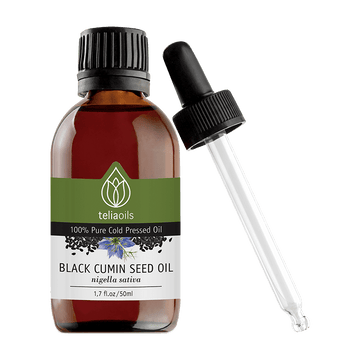
Black Cumin Oil Known for its comforting feel, black cumin oil supports balance during seasonal stress and is especially suitable for winter scalp routines.
Oat Oil One of the gentlest options, oat oil supports softness and is ideal for scalps that feel sensitive during cold weather.
How to Use Oils in Winter
Apply oils pre-wash or overnight (with minimal amounts)
Massage gently to support even distribution
Use weekly or biweekly depending on dryness
Focus on areas that feel tight or uncomfortable
Winter is the season where oils can be slightly more generous — but still intentional.
Transition Seasons: Spring and Autumn Adjustments
Spring and autumn are ideal times to reassess your routine. Gradually lighten oils as temperatures rise and slowly introduce richer oils as cold returns. Blending oils is a smart way to adapt without switching products entirely.
Consistency Over Perfection
Seasonal scalp care isn’t about strict rules — it’s about awareness. Paying attention to how your scalp feels and adjusting accordingly leads to better long-term comfort and balance.