Oregano for Skin Care: Why This Mediterranean Herb Is Used Topically
by Dimitris ZikosonJun 16, 2026
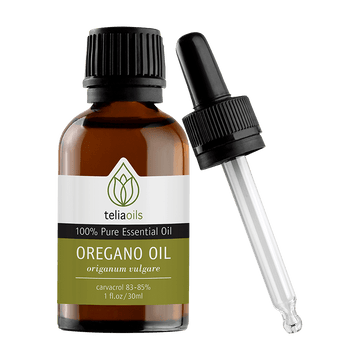
Oregano is widely known as a kitchen herb, commonly associated with Mediterranean cuisine. However, beyond its culinary role, oregano (Origanum vulgare) has also been included in botanical preparations designed for topical care.
Across herbal traditions, aromatic plants have often been used in oils, balms, and soaps. Oregano is one such plant that has found its way into these preparations due to its strong aroma and compatibility with oil-based formulations. Today, interest in oregano skin care products reflects a broader movement toward plant-based ingredients in personal care.
Oregano as a Mediterranean Botanical
Native to the Mediterranean region, oregano thrives in warm, sunny environments with dry soil and rocky landscapes. These growing conditions contribute to the plant’s aromatic profile and resilient nature.
Because oregano grows abundantly across southern Europe and surrounding regions, it has historically been a readily available herb for both culinary and household uses. Over time, herbal preparations began to incorporate oregano into oils and balms that could be applied topically.
Why Oregano Works Well in Topical Preparations
One reason oregano is included in topical formulations is its aromatic and botanical composition, which integrates well with carrier oils and wax-based balms.
When oregano leaves are infused into oil, the oil absorbs some of the plant’s aromatic compounds. This infused oil can then be used to create various skin care products such as:
herbal salves
botanical soaps
infused oils
skin balms
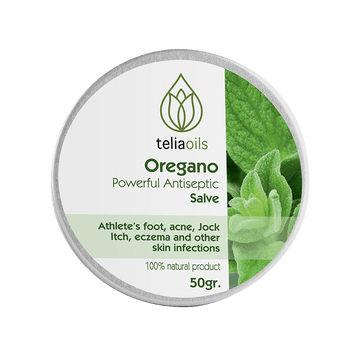
In particular, an oregano herbal salve combines oregano-infused oil with natural waxes to form a balm that can be applied directly to the skin.
Oregano in Natural Skin Care Formulations
In modern natural skin care, oregano is typically included as part of a broader formulation rather than used alone. It may be blended with nourishing carrier oils, plant waxes, and other botanical ingredients.
Products containing oregano often appear in categories such as:
herbal soaps designed for everyday washing
botanical balms for localized skin care
oil-based salves used in simple routines
The Appeal of Herbal Salves
Herbal salves have experienced renewed interest as many people shift toward simpler skin care routines. Compared with complex creams or lotions, salves rely on fewer ingredients and emphasize oil-based nourishment.
An oregano herbal salve fits well into this minimalist approach. The formulation generally consists of infused oil combined with wax, creating a balm that can be applied in small amounts wherever needed.
A Botanical Ingredient in Modern Care
Today, oregano’s presence in skin care reflects an ongoing interest in botanical ingredients that connect modern routines with plant-based traditions. While oregano remains best known as a culinary herb, its use in topical formulations highlights the versatility of Mediterranean plants.
In the context of oregano skin care, the herb represents a simple, aromatic addition to oils, soaps, and salves that emphasize natural ingredients and straightforward formulations.