Natural Oils for Acne-Prone Skin: What Actually Works?
by Dimitris ZikosonJul 25, 2025
When you think of oils and acne, your first instinct might be to avoid them altogether. But the truth is, certain natural oils can be powerful allies for acne-prone skin—helping to balance sebum, calm inflammation, and support the skin's natural healing process.
Let’s explore four of the most effective oils for acne-prone skin: tea tree, rosehip, black cumin, and jojoba oil—and how they can be used safely in your daily routine.
1. Tea Tree Oil: Nature’s Blemish Fighter
Tea tree essential oil is one of the most researched natural ingredients for treating acne. Known for its antibacterial, antifungal, and anti-inflammatory properties, tea tree oil helps fight the bacteria that contribute to breakouts while reducing redness and swelling.
How to use: Always dilute tea tree oil before applying to the skin. Mix 1–2 drops with a carrier oil like jojoba and apply directly to blemishes as a spot treatment.
2. Rosehip Oil: For Scars and Skin Repair
Rosehip oil is a cold-pressed oil rich in vitamin A (retinoic acid), omega-3 and -6 fatty acids, and antioxidants. It's known to support cell regeneration, improve skin tone, and fade acne scars.
What makes rosehip oil stand out is that it's non-comedogenic, meaning it won’t clog pores, and it’s suitable even for oily skin types.
How to use: Apply 2–3 drops to cleansed skin at night as a lightweight moisturizer.
3. Black Cumin Oil: Balancing and Anti-Inflammatory
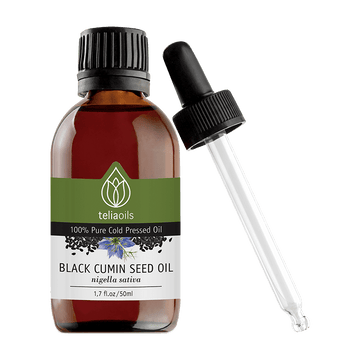
Extracted from Nigella sativa seeds, black cumin oil (also known as black seed oil) is rich in thymoquinone, a powerful antioxidant and anti-inflammatory compound. It helps regulate oil production, calm inflamed skin, and prevent clogged pores.
Black cumin oil also has antimicrobial properties, making it especially effective for inflamed or cystic acne.
How to use: Apply a few drops of black cumin seed oil after cleansing, either alone or blended with a lighter oil like jojoba.
4. Jojoba Oil: Mimics Skin’s Natural Sebum
Unlike other oils, jojoba oil is actually a wax ester that closely resembles the skin's natural sebum. This helps regulate oil production—tricking the skin into producing less sebum—and reduces the likelihood of clogged pores and breakouts.
It’s also rich in vitamin E, making it soothing and gentle enough for sensitive or acne-inflamed skin.
How to use: Use as a daily moisturizer or cleansing oil, or blend with essential oils like tea tree for targeted use.
Oils That Work With, Not Against, Acne-Prone Skin
Not all oils are acne-friendly—but when you choose wisely, natural plant oils can support clearer, healthier skin without the side effects of harsh treatments. Whether you’re dealing with occasional breakouts or long-term acne-prone skin, products like tea tree oil, black cumin, rosehip, and jojoba offer a clean, natural solution.