How to Use Tea Tree Oil for Dandruff and Itchy Scalp
by Dimitris ZikosonApr 11, 2025
Dandruff and an itchy scalp can be frustrating and embarrassing, often leading to flakiness, irritation, and discomfort. While many commercial anti-dandruff products contain harsh chemicals that strip the scalp of its natural oils, tea tree oil offers a natural and effective alternative. With its antifungal, antibacterial, and anti-inflammatory properties, tea tree oil helps combat dandruff, reduce itchiness, and promote a healthy scalp environment.
Why Tea Tree Oil Works for Dandruff and Itchy Scalp
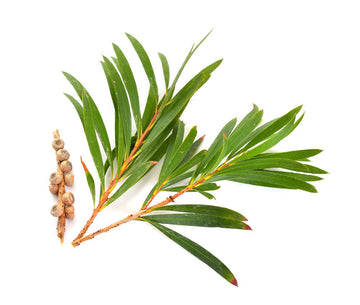
Tea tree oil is derived from the Melaleuca alternifolia plant and has been used for centuries for its powerful medicinal properties. Here’s why it’s highly effective for treating dandruff:
Fights Fungal Infections – Many cases of dandruff are caused by an overgrowth of Malassezia, a type of fungus that thrives on the scalp. Tea tree oil’s antifungal properties help control this fungus and reduce flakiness.
Soothes Itchy, Irritated Scalp – Its anti-inflammatory effects calm redness and irritation, providing relief from persistent itching.
Balances Scalp Oils – Tea tree oil helps regulate sebum production, preventing both dry and oily scalp conditions, which can contribute to dandruff.
Unclogs Hair Follicles – By removing buildup from dead skin cells and excess oils, tea tree oil promotes a cleaner, healthier scalp.
How to Use Tea Tree Oil for Dandruff and Scalp Itch
Tea Tree Oil Shampoo for Dandruff Control
The easiest way to incorporate tea tree oil into your routine is by using a shampoo that contains at least 5% tea tree oil. If you prefer a DIY method using 100% natural and high quality tea tree oil, you can make your own tea tree oil-infused shampoo.
How to Make DIY Tea Tree Oil Shampoo:
Take your regular sulfate-free shampoo.
Add 5-10 drops of tea tree oil per 8-ounce bottle.
Shake well before each use.
Massage into the scalp and leave it on for 2-3 minutes before rinsing.
Use this shampoo 2-3 times a week for best results.
Precautions When Using Tea Tree Oil on the Scalp
Always Dilute Tea Tree Oil – Never apply it directly to the scalp without mixing it with a carrier oil, as it can cause irritation or dryness.
Patch Test First – Before using tea tree oil, apply a small amount to your skin to ensure you don’t have an allergic reaction.
Avoid Overuse – Using tea tree oil too frequently can dry out the scalp, leading to more dandruff. Stick to 2-3 applications per week.
Tea tree oil is one of the best natural remedies for dandruff and an itchy scalp, thanks to its antifungal, anti-inflammatory, and cleansing properties. Whether used in shampoos, scalp treatments, masks, or rinses, incorporating tea tree oil into your routine can help you achieve a healthier, flake-free scalp.
For convenient, high-quality tea tree oil, explore TeliaOils’ pure and organic essential oils, perfect for scalp care and hair health.